Incorporating water-saving techniques into your garden can significantly reduce maintenance and ensure healthier plants, particularly during dry spells. This DIY project uses a blend of everyday items to create water-storing soil cubes. These cubes are easy to make, highly effective in retaining moisture, and can be a game-changer for gardeners seeking to conserve water, optimize plant growth, and reduce watering frequency.
These water-storing soil cubes are perfect for a variety of garden settings, from urban rooftop gardens to sprawling backyard vegetable patches. Ideal for water-sensitive plants like tomatoes, cucumbers, and herbs, they can be integrated into raised beds, container gardens, or traditional border gardens. The cubes blend seamlessly into both modern and rustic garden aesthetics, offering a practical yet subtle solution that enhances plant health. They are particularly useful in regions with hot, dry summers or for gardeners who travel frequently.
Water-Storing Soil Cubes with Kitchen Sponges
Materials
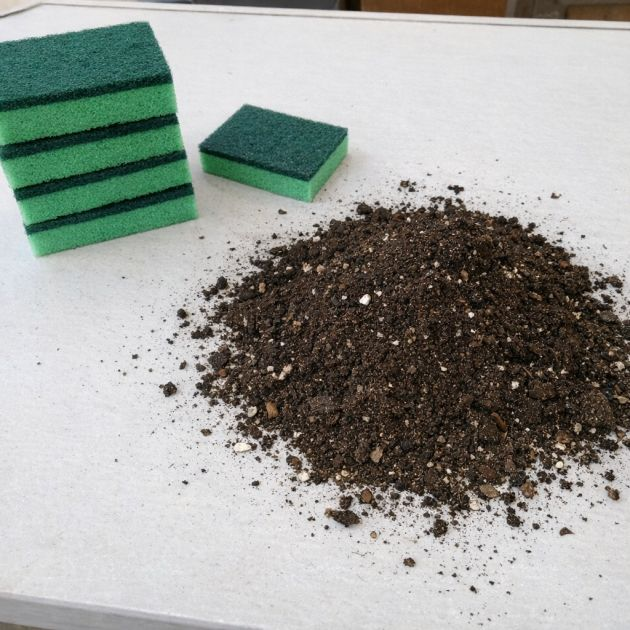
Heavy duty green kitchen sponges (5 pieces)
Perlite (1 cup)
Potting soil (1 gallon)
Sharp scissors or a utility knife
Blender
Medium-sized mixing bowl
Directions
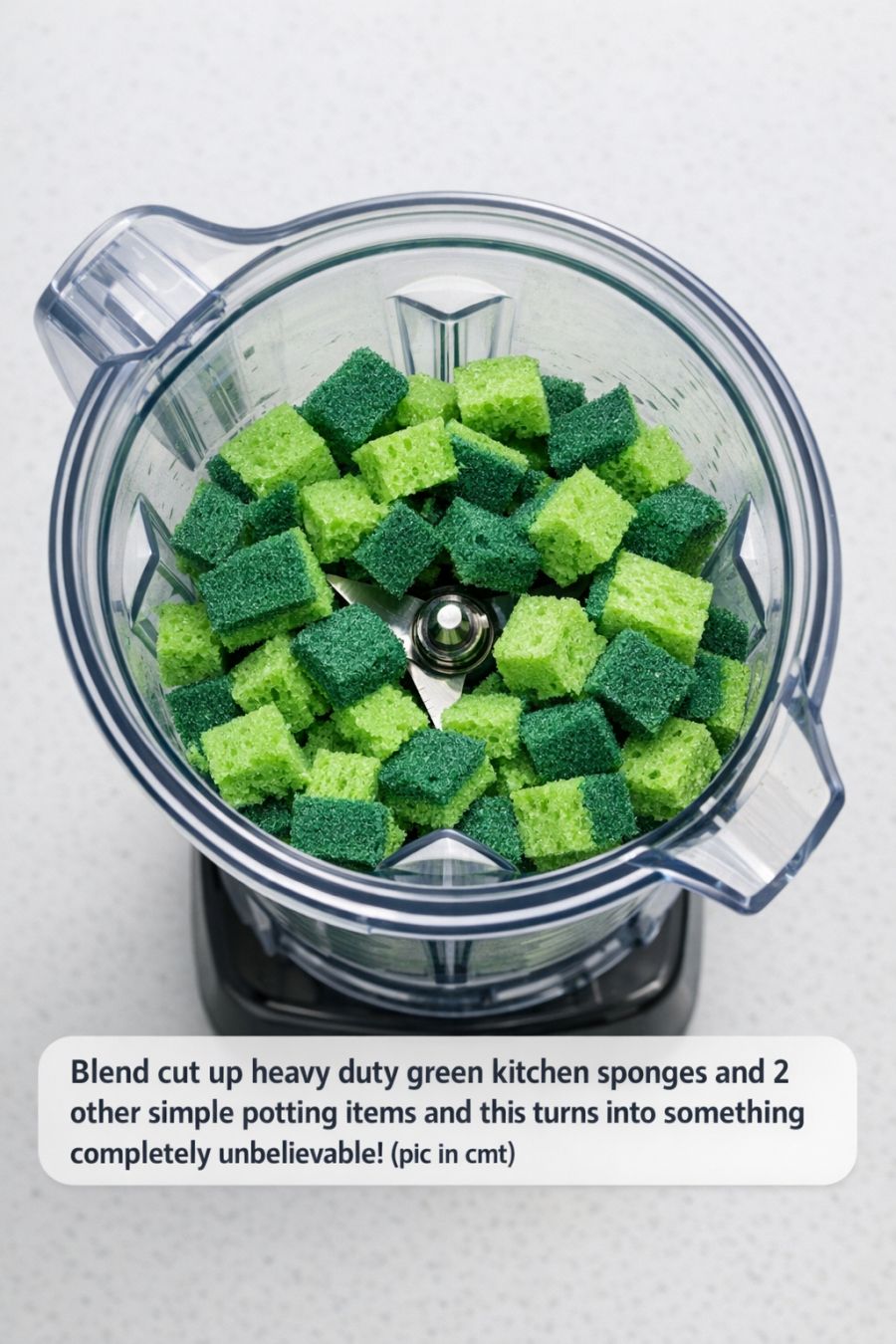
Start by cutting the heavy duty green kitchen sponges into small pieces, roughly 1-inch cubes, using sharp scissors or a utility knife.
Place the sponge pieces into the blender. Blend in short pulses until the pieces are further reduced to a fibrous, crumb-like texture.
Transfer the blended sponge material into a medium-sized mixing bowl.
Add 1 cup of perlite to the bowl with the sponge material. Mix thoroughly to ensure even distribution.
Gradually incorporate 1 gallon of potting soil into the mixture, stirring continuously until all components are evenly combined.
Form the mixture into small, compact cubes by pressing handfuls of the mixture together. Ensure each cube is dense enough to hold its shape.
Allow the cubes to air dry for a few hours in a shaded, well-ventilated area.
Once dry, the cubes are ready to be placed in your garden, either mixed into the soil around plant roots or positioned at the base of container plants.
Variations & Tips
For gardeners in cooler climates, consider swapping perlite for vermiculite to enhance insulation properties. In sandy soil environments, you might add a small amount of clay to the mixture to further improve water retention. For a more eco-friendly approach, substitute natural sponges for synthetic ones. To adapt for specific plants, such as succulents or cacti, adjust the sponge-to-soil ratio to reduce moisture retention, preventing root rot. These variations allow the soil cubes to be customized to your garden’s unique needs and conditions.

