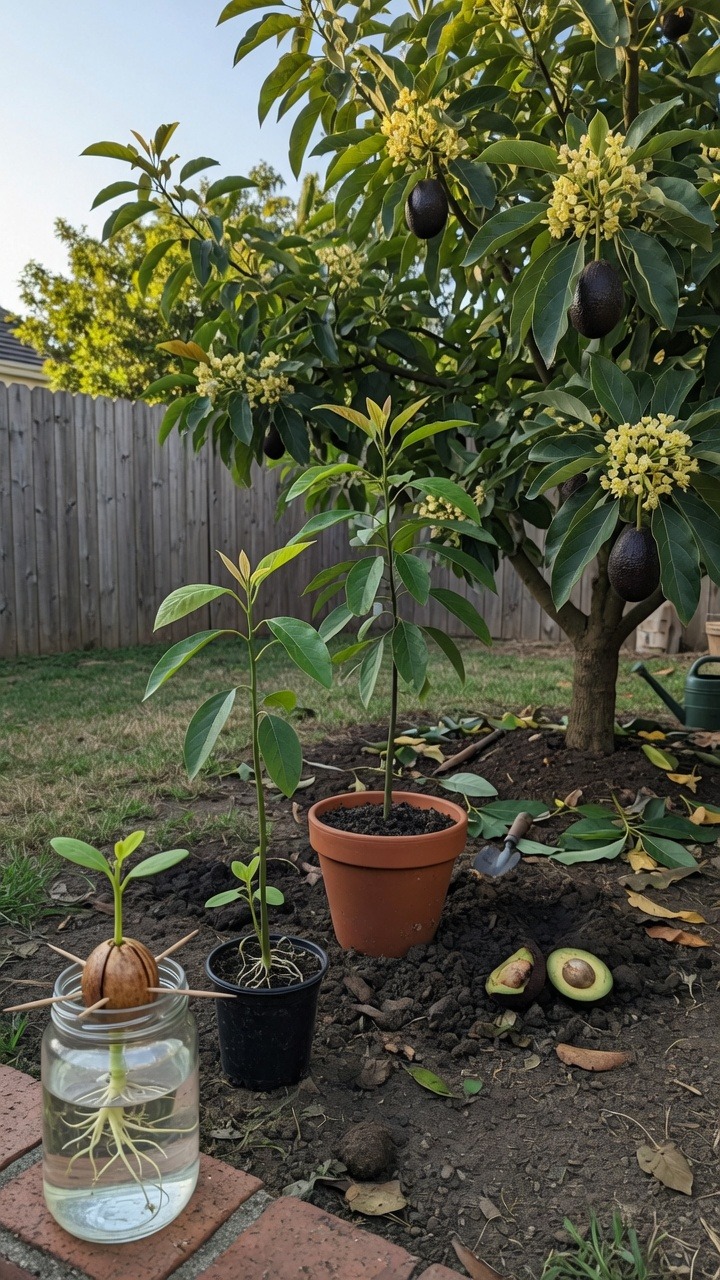

Avocado trees are a prized addition to any garden, not only for their lush foliage and shade but also for their delicious, nutrient-packed fruit. While many gardeners choose to grow avocados from seeds, this method can be unpredictable and slow. An effective alternative is to propagate avocado trees from shoot cuttings—a technique that, when done properly, can yield fast and healthy results.
This guide outlines a natural, beginner-friendly method using garlic as an organic antibacterial agent and sand as a rooting medium. With the right approach, you can see root development in just over two weeks.
Why Use Shoot Cuttings?
Propagation from shoot cuttings ensures that the new plant inherits the exact characteristics of the parent tree. This method is ideal for replicating the desirable traits of a productive avocado tree—such as fruit quality, growth habit, or disease resistance.
Cuttings also grow faster than seedlings, often producing a viable young tree in less time. When paired with the right care and conditions, this method offers a reliable way to multiply your avocado trees organically.
Step 1: Selecting and Preparing the Cutting
Start by identifying a healthy, semi-hardwood shoot on a mature avocado tree. Look for young branches that are firm but still flexible, approximately 6 to 8 inches (15 to 20 cm) long. Make a clean diagonal cut just below a node using sterilized pruning shears or a sharp knife.
Next, remove all the older, large leaves from the shoot. Keep only the small, young leaves at the top. This helps reduce moisture loss through evaporation and allows the cutting to focus its energy on root formation rather than leaf maintenance.
Step 2: Natural Protection with Garlic
To ensure the cutting doesn’t rot during the rooting phase, use garlic as a natural antibacterial treatment. Garlic contains powerful antimicrobial compounds like allicin, which help protect the plant tissue from fungal and bacterial infections.
Crush one or two garlic cloves to release the juice, then rub it thoroughly on the lower part of the stem, especially near the nodes where roots are most likely to form. Let the stem sit for a few minutes to allow absorption of the garlic compounds.
Step 3: Use Sand as a Rooting Medium
Sand is an excellent propagation medium because it offers good drainage, aeration, and moisture retention—all essential for healthy root development. Coarse or river sand is ideal, as it prevents waterlogging and keeps the environment around the stem clean and oxygen-rich.
Fill a small container, pot, or nursery tray with moist sand. Use a stick or your finger to make a hole in the center. Insert the treated avocado cutting, burying at least one or two nodes in the sand. Firm the sand gently around the base of the cutting to keep it stable.
Step 4: Create the Right Growing Environment
Avocado cuttings are sensitive to heat and direct sunlight during the initial propagation phase. Place the container in a shaded, well-ventilated area—such as under a tree canopy, on a covered patio, or inside a greenhouse with filtered light.
To prevent wilting and maintain high humidity around the cutting, water the sand generously at least three times a day. This frequent watering helps keep the medium moist and cool, which is crucial for triggering root development.
Step 5: Monitor Progress
Within 18 to 20 days, you should begin to notice signs of growth. The top of the cutting will remain green and firm, and fresh shoots may begin to emerge. Most notably, root development often becomes visible at the base of the stem. In successful cases, roots can grow rapidly—sometimes described as “exploding” out of the stem due to their vigorous nature.
If desired, you can gently dig around the base of the cutting after 18 days to confirm root development. Be careful not to disturb the roots too much if they’re still delicate.
Step 6: Transplanting Your New Avocado Tree
Once the roots are 1 to 2 inches (2.5 to 5 cm) long and thick enough to support growth, it’s time to transplant the cutting into soil. Prepare a pot or garden bed with well-draining soil rich in organic matter or compost.
Dig a small hole and transfer the cutting, keeping the roots intact. Water thoroughly, and continue to keep the plant in partial shade for the first few days while it adjusts to the new environment. Gradually expose it to more sunlight over the following weeks.
Final Thoughts
Propagating avocado trees from shoot cuttings is not only a practical method—it’s a deeply rewarding one. By using natural ingredients like garlic to protect the stem and sand to encourage rooting, you can grow strong, healthy avocado trees without relying on synthetic chemicals or commercial rooting agents.
This method is perfect for home gardeners and small-scale growers who want a reliable, cost-effective way to multiply their avocado stock. With patience, care, and daily attention, your cuttings can transform into thriving young trees ready to flourish in your garden.
Try it yourself, and you’ll discover how rewarding it is to cultivate your own avocado trees—naturally, sustainably, and successfully.

