Disclaimer: This article is strictly for informational purposes only. The information provided here does not constitute medical advice, and we do not take any responsibility for health outcomes. You should always consult a medical professional or healthcare provider before trying new herbs, supplements, or homemade remedies.

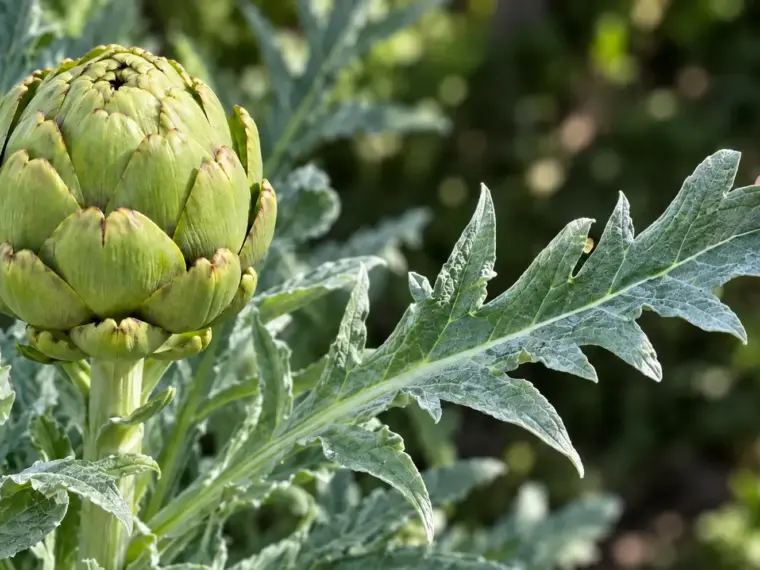
When we think about artichokes, most of us picture a delicious dish served with melted butter or a tasty addition to a Mediterranean salad. We often eat the tender center, known as the heart, and throw the rest away. However, the true medicinal power of the artichoke plant (Cynara scolymus) is actually hidden in its large, tough outer leaves.
For hundreds of years, people have relied on these bitter leaves to support the body. Today, experts know that the leaves contain the highest concentration of the plant’s active compounds. The most famous of these compounds is called cynarin. Along with a heavy dose of antioxidants, cynarin makes artichoke leaves a powerhouse for keeping your internal organs working smoothly.
Here is a breakdown of what makes artichoke leaves so powerful, how you can easily use them in your own kitchen, and what you need to know to stay safe.
The Health Benefits of Artichoke Leaves
Artichoke leaves are primarily known for helping the digestive system and the liver. Because they are highly bitter, they naturally trigger the body to produce digestive juices. Here are the main ways artichoke leaves support your health:
- Supports Liver Function: Your liver is responsible for filtering out toxins from your blood. Artichoke leaves contain compounds that protect liver cells from damage and may even help them regenerate. They also promote natural detoxification by helping the liver process waste more effectively.
- Boosts Bile Production: Bile is a fluid produced by the liver and stored in the gallbladder. It is absolutely essential for breaking down the fats you eat. The cynarin in artichoke leaves stimulates the liver to produce more bile, which helps fats digest smoothly rather than sitting heavily in your stomach.
- Relieves Indigestion and Bloating: Because they improve the flow of bile, artichoke leaves are excellent for general stomach upset. People who suffer from feeling overly full, nauseous, or bloated after a heavy meal often find rapid relief.
- Helps Lower Cholesterol: High cholesterol can lead to heart problems over time. Studies have shown that artichoke leaf extract can gently lower the “bad” LDL cholesterol while helping to maintain the “good” HDL cholesterol. It does this by encouraging the body to excrete excess cholesterol through the digestive tract.
- Provides Strong Antioxidants: Artichoke leaves are packed with antioxidants like luteolin and apigenin. These antioxidants fight free radicals in the body, which are unstable molecules that cause cellular aging and inflammation.
How to Use Artichoke Leaves at Home
You do not need to buy expensive, processed supplements to get the benefits of artichoke leaves. You can easily make your own remedies at home using dried artichoke leaves. You can usually purchase high-quality dried artichoke leaves from local herb shops, health food stores, or bulk spice suppliers.
Here are two of the most popular and effective homemade methods:
1. Homemade Artichoke Leaf Tea
Making tea is the fastest way to use the leaves, but be warned: it is very bitter! The bitterness is exactly what makes it work so well for digestion, but it might take some getting used to.
Ingredients:
- 1 to 2 teaspoons of dried artichoke leaves
- 1 cup of boiling water
- Optional: Honey, lemon juice, or fresh ginger to improve the taste
Instructions:
- Place the dried artichoke leaves into a tea infuser or a standard mug.
- Pour the boiling water directly over the leaves.
- Cover the mug with a small plate or lid. This keeps the beneficial plant oils from escaping in the steam.
- Let the tea steep for 5 to 10 minutes. The longer it steeps, the stronger and more bitter it will become.
- Remove the leaves or strain the liquid into a clean cup.
- Add a squeeze of fresh lemon, a slice of ginger, or a small spoon of honey to mask the bitterness, if desired.
How to use it: Drink a small cup of this tea before eating a large or heavy meal. This prepares your stomach and liver for the food that is coming.

2. Homemade Artichoke Leaf Tincture (Extract)
A tincture is a strong liquid extract made by soaking herbs in alcohol. This pulls out the medicinal compounds and preserves them for a very long time. Tinctures are highly concentrated, so you only need to take a little bit at a time, making it easier to avoid the bitter taste.
- 1 ounce of dried artichoke leaves
- 5 ounces of plain, clear alcohol (such as 80-proof vodka)
- A clean glass jar with a tight-fitting lid
- Place the dried artichoke leaves into the clean glass jar.
- Pour the alcohol over the leaves, ensuring that all the plant material is completely submerged.
- Put the lid tightly on the jar and shake it well.
- Store the jar in a cool, dark place, like inside a kitchen cabinet.
- Let the mixture soak for 4 to 6 weeks. Remember to take the jar out and shake it gently every few days.
- When the time is up, pour the mixture through a cheesecloth or a fine mesh strainer into a clean bowl. Squeeze the cloth hard to get every last drop of liquid.
- Pour the finished liquid extract into a small glass dropper bottle for easy daily use.
How to use it: Mix a half teaspoon of the tincture into a small glass of water or juice. Drink it up to three times a day, ideally right before meals to support healthy digestion.
Safety, Side Effects, and Warnings
While artichoke leaf is a natural plant, it is very potent. Most people tolerate it perfectly well, but it is not right for everyone. You must be aware of the following safety guidelines before adding it to your routine:
- Gallbladder Issues: If you have a diagnosed bile duct obstruction or if you currently have gallstones, you must avoid artichoke leaves. Because the plant forces the gallbladder to contract and release bile, it can cause severe pain or complications for people with these specific conditions.
- Plant Allergies: Artichokes belong to the Asteraceae plant family. This is the same family as daisies, marigolds, chrysanthemums, and ragweed. If you are allergic to any of these common plants or flowers, you might also be allergic to artichoke leaves. Stop using it immediately if you experience itching, swelling, or a rash.
- Stomach Upset: When you first start using artichoke leaf tea or tincture, start with a very small amount to see how your body reacts. Taking too much too soon can cause mild side effects like extra intestinal gas, a slightly upset stomach, or loose stools.
By understanding how to prepare and safely consume artichoke leaves, you can take advantage of one of the most reliable and time-tested plants for natural digestive and liver support.