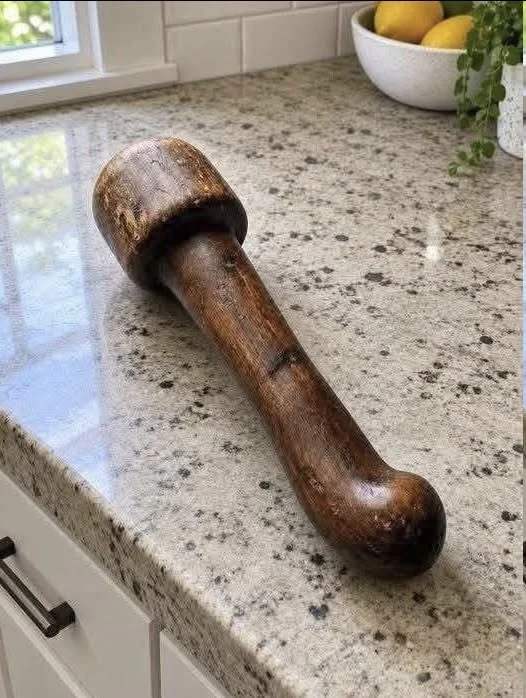
My mother-in-law recently passed away. While sorting through her belongings in a dresser, my husband and I found something strange. We stared at it for ages, trying to figure out what it was.
At first, it looked like nothing more than a tiny piece of lint on the floor. But when I looked closer, I noticed something unusual. The object was about the size of a flattened grain of rice, tapered at both ends.
Download Reference Apps
Its surface contained dust, blue cotton fibers, a strand of hair, and other tiny pieces of debris, all pressed together into what looked like a miniature protective case. It was too deliberate to be accidental.
Curious, I searched online and eventually discovered what we had found: a plaster bagworm, also known as a case-bearing clothes moth larva.
Unlike many larvae that remain hidden, this tiny creature carries its shelter wherever it goes.
The larva constructs its case from materials it finds around the home—lint, hair, dust, wool, silk, and other organic debris. It then extends its head and legs from the opening and drags its tiny handmade home across floors, walls, and other surfaces.
Suddenly, the dust beneath the furniture seemed different.
What I had always considered ordinary household mess was actually useful material for a tiny builder. The creature was collecting discarded fibers and transforming them into protection.
Its case was essentially made from fragments of the environment around it. Something that appeared insignificant was, in fact, part of an ingenious survival strategy—a small example of how life can adapt to the spaces humans create.
Access Writing Tools
The discovery also changed the way I looked at the mess inside my own home. Instead of seeing every speck of dust or loose fiber as something that simply needed to be removed, I began to see it as part of a much larger ecosystem.
Eventually, I carefully moved the little creature outside rather than killing it.
The experience stayed with me. There was something quietly beautiful about watching such a small creature turn what we consider waste into something useful. Its tiny shelter was built from fragments that most of us would never even notice.
Perhaps that is what stayed with me most: the reminder that nothing is always as insignificant as it first appears.
We are all architects of the ephemeral, building our lives from the dust of what we leave behind.

